Owner Publicly Pleads for Partial Return of Stolen Funds
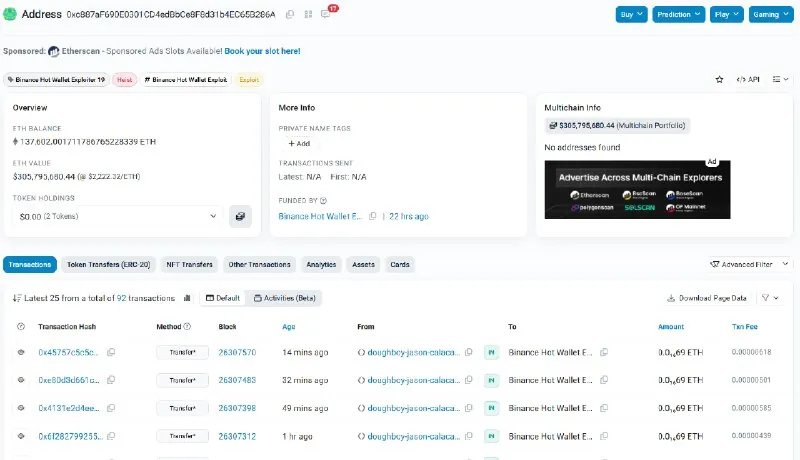
A wallet owner addressed a message to an alleged hacker, claiming that $300,000 was stolen from their savings. The owner states that they have children who depend on them and offers to forgive the remaining loss if 30%, or $90,000, is returned. The plea references transaction ID 0xc887af690e0301cd4bbce8f8d31b4ec65b286a.
Context of the Alleged Theft
The claim originates from a brief message that surfaced on a crypto forum. The owner does not provide additional details about how the funds were transferred or the identity of the recipient. No corroborating evidence, such as a blockchain audit or law-enforcement report, accompanies the statement. The transaction ID mentioned is publicly visible on the Ethereum blockchain, but its status—whether it is a pending, failed, or completed transfer—has not been verified in the article.
Risks of Unverified Recovery Requests
When a victim publicly requests a partial return of stolen funds, several risks emerge:
- Credibility of the Claim: Without independent verification, the claim may be fabricated or exaggerated. Other users could be misled into sending funds to the alleged hacker.
- Potential for Double-Spending: If the transaction ID is a pending or failed attempt, the funds may still be in the victim’s wallet, making the request moot.
- Legal Implications: Sending money to an alleged hacker could expose the sender to civil liability or criminal charges if the funds are later traced to illicit activity.
What Readers Should Verify
- Blockchain Status: Check the transaction ID on a reputable block explorer to confirm whether the transfer completed and the amount moved.
- Wallet Ownership: Verify that the address in question belongs to the claimed owner. Public key ownership can be confirmed through on-chain signatures or prior public statements.
- Law-Enforcement Involvement: Look for any police or regulatory filings that reference the theft. Absence of such records may indicate the claim is unsubstantiated.
Market Impact and Broader Implications
While this incident involves a single wallet, it reflects a broader pattern of victims seeking restitution through public channels. Similar cases have surfaced, such as the $2.7M address-poisoning scam and the $7.4M multisig theft, where victims publicly demanded returns without verification. These incidents underscore the need for users to exercise caution when interacting with alleged hackers.
Sponsored Placement
For a broader view of how market cap rankings influence investor sentiment, see the market cap rankings.
What to Watch Next
- Follow-up on the transaction ID: If the transaction remains pending, the owner may still have control over the funds.
- Legal Action: Any court filing or police report would lend credibility to the claim.
- Community Response: Other users may attempt to send funds to the alleged hacker, increasing the risk of further loss.
Final Note
The owner’s plea highlights the importance of verifying claims before acting. Without independent confirmation, the request for a partial return remains speculative and could expose other users to additional risk.
Related coverage
- Crypto.com Breach Fuels Targeted Scam Wave Against Top Holders
- $2.7M Stolen, Then Lost in an Address-Poisoning Scam
- Binance Investigates $6.3B Theft After DevOps Laptop Compromise