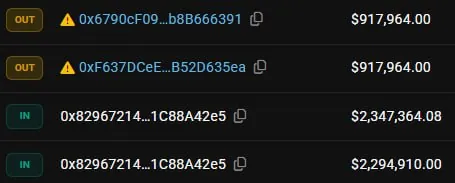
What triggered the 2,022 ETH loss?
The swap platform issued a 2,022-ETH loan in exchange for $4.7M in flashed USDT. The ETH was withdrawn instantly, leaving the platform with USDT it could not move.
How did the flash loan work?
A flash loan allows a user to borrow assets without collateral, provided the loan is repaid within the same transaction. In this case, the borrower received USDT, used it to obtain ETH, and then withdrew the ETH before the transaction closed.
Why can’t the platform move the USDT?
The platform’s smart contract likely lacks a mechanism to transfer the USDT back to the borrower’s address or to lock the funds for settlement. The USDT remains in the contract’s balance, inaccessible until the contract is patched or the funds are manually extracted.
What does this mean for users?
Users who provided liquidity or were exposed to the swap risk losing the value of the USDT held by the platform. Verification of contract ownership, withdrawal limits, and audit status becomes critical before interacting.
What steps can the platform take to recover funds?
The platform must audit its contract to identify the flaw that allowed the instant withdrawal. Deploying a patch or migrating to a new contract that enforces proper settlement could restore the USDT balance.
How common are flash-loan-based scams?
Flash-loan exploits have risen as DeFi protocols grow. Recent incidents include the $2.7M address-poisoning scam and the AI wallet attack that forced holders into bunker mode. These cases share a pattern: rapid asset movement that outpaces contract safeguards.
What should users check before using a swap?
Verify the contract’s audit status, review withdrawal limits, and ensure the platform has a clear recovery plan for stuck funds. Monitoring social feeds for alerts can provide early warning of similar incidents.
Is there a regulatory angle?
Regulators are scrutinizing DeFi protocols for systemic risk. Incidents like this may prompt tighter oversight of flash-loan mechanisms and require platforms to disclose vulnerability mitigations.
What’s next for the platform?
The platform must release a technical update to address the contract flaw. Users should await confirmation that the USDT can be moved or that a new contract is live before re-engaging.
Where can I learn more about similar incidents?
Read about the $2.7M stolen, then lost in an address-poisoning scam to see how rapid asset movement can trap users: /posts/2-7m-stolen-then-lost-in-an-address-poisoning-scam-261024.
How the flash-loan loss unfolded
The swap platform executed a 2,022-ETH loan in a single transaction. The borrower received USDT, swapped it for ETH, and withdrew the ETH before the transaction closed. The contract did not enforce a return of the USDT, trapping the funds.
Immediate impact on liquidity providers
Liquidity providers who had deposited USDT into the platform now face a balance that cannot be withdrawn. The platform’s balance sheet shows a $4.7M hole, and users must monitor the contract for a patch.
Technical root cause
The contract’s withdrawal function lacks a check that ensures the borrower’s address receives the USDT after the swap. The function allows instant ETH extraction, but the USDT remains locked in the contract. A simple state variable mis-reference enabled the exploit.
What users should verify next
- Contract audit status – confirm the latest audit covers the withdrawal logic.
- Withdrawal limits – check if the platform imposes caps that could prevent a similar loss.
- Recovery plan – look for an official statement on how the platform will move the trapped USDT.
Related coverage
- AI Wallet Attack: Bitcoin and Ether Holders Urged to Enter Bunker Mode
- $2.7M Stolen, Then Lost in an Address-Poisoning Scam
- Kalshi Prediction Markets: CEO Warns State Oversight Could Drive Firms Overseas